
"multinational countries"
400 article(s) found

Introduction to the extraction principle of Smart Cup
[brewing utensils-smart filter cup] the design of each prop has its own background and desired effect, and if you choose boutique manor coffee or competition coffee, there is almost no bad taste that needs to be modified through props or technology. so for beginner consumers or gluttons who want to save time, there is no need for fancy and exaggerated technology, smart filter cups will be excellent.

Read the article and feel the coffee trip in Uganda. Uganda coffee brands have the best AA grade.
Professional coffee knowledge exchange more coffee bean information please follow the coffee workshop (Wechat official account cafe_style) front street-Uganda coffee introduction opens the global coffee production area map, today the official account will take you to the interior of Africa in Uganda, a taste of its northeast Elgon mountains of quality coffee, compared to we are familiar with Ethiopia, Ugandan coffee is
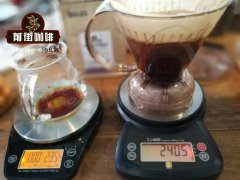
Dominica coffee bean powder Dominica coffee how to drink Dominican coffee producing area
For more information on coffee beans, please follow the coffee workshop (official Wechat account cafe_style) most of the coffee in the Dominican Republic is scattered over the six major producing areas, located in the western half of the valley and on steep slopes. These farms use the height, humidity, temperature and soil of each valley to create favorable conditions for coffee cultivation. Dominica coffee producing area

Introduction to the characteristics of Dominica Santo Domingo coffee flavor varieties with light aroma
In 1677, about 4,000 French lived in 11 villages in the west of the island. In 1697, France and Spain ceded the western part of the island to France according to the Leswick Treaty of the Alliance War, formally recognizing French sovereignty over Haiti in the western part of the Spanish island, and the eastern part of the Spanish island was called East Santo Domingo. France continues to develop its agricultural economy on the island of Hispaniola.
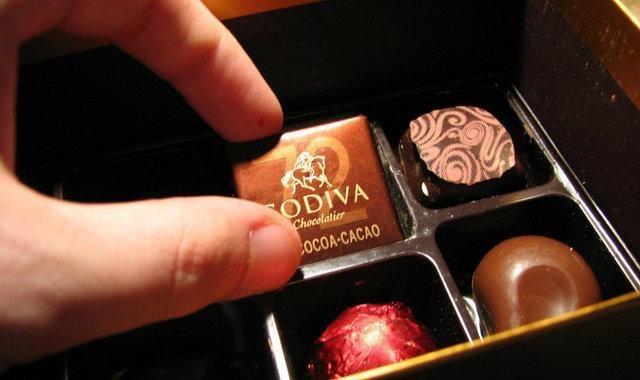
Chocolate brand Godiva has its eye on the coffee industry and plans to open 2000 new cafes
Professional coffee knowledge exchange more coffee bean information please follow the coffee workshop (Wechat official account cafe_style) Godiva will launch 2000 cafes in the future, analysts said that many large beverage companies will see coffee as an important area to strengthen their product portfolio, for companies this is not only a new coffee business line, but also provides an opportunity for it to
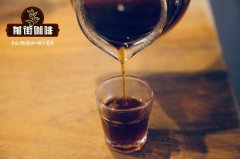
Regional characteristics of Dominica Ice Coffee producing area is Dominica coffee good? what brands are there?
Professional coffee knowledge exchange more coffee bean information Please follow the coffee workshop (Wechat official account cafe_style) to taste pure coffee without sugar or cream. in Taiwan, the number of people who drink coffee is increasing year by year, and many people are slowly drinking it. If you want to drink the true original taste of coffee, you must drink black coffee. Only in this way can you taste good coffee. Coffee from Dominica

Why do Norwegian people love coffee so much? Because: drink coffee can go to heaven!
Professional coffee knowledge exchange more coffee bean information Please follow the coffee workshop (Wechat official account cafe_style) many people think that Italy is the hometown of espresso (Espresso), Norway is not the hometown of coffee, but the goal of the coffee-loving Norwegian is to tell everyone how to make the best coffee in the world. You can't wake up without coffee if you go.

Introduction to the planting environment in the manor area of Dominica coffee flavor
Trujillo, on the other hand, used extreme methods such as murder, abuse and intimidation to suppress opposition to the government. To show his arrogance, Trujillo awarded himself the Grand Marshal to rename the capital Santo Domingo to Trujillo, and he changed Mount Duat, the highest mountain in the Caribbean, to Trujillo. And name many large and small cities and towns in the country after themselves.

Introduction to varieties of grinding scale for detailed description of acidity and taste of Latin American coffee beans
Characteristics of Latin American coffee beans acidity, taste description, grinding scale variety introduction Costa Rica (Costa Rica) aroma 3.5 minutes brightness 4.5 minutes mellow 3 minutes flavor 4.5 minutes aftertaste 4.5 points suitable for baking degree: if Light/Medial/City wants to show Costa Rican perfectly balanced flavor, you can never bake deeply, it is recommended that City degree is enough, or even the first one.

Organic coffee is expensive?_Organic coffee beans brand rankings_Organic coffee beans how to drink
Professional coffee knowledge exchange More coffee bean information Please pay attention to coffee workshop (Weixin Official Accounts cafe_style) Organic coffee beans, coffee beans produced by organic farming method. To understand organic coffee, you must first understand organic farming, a concept that originated in 1924. In 1924, a group of farmers concerned about the future of agricultural development turned to when
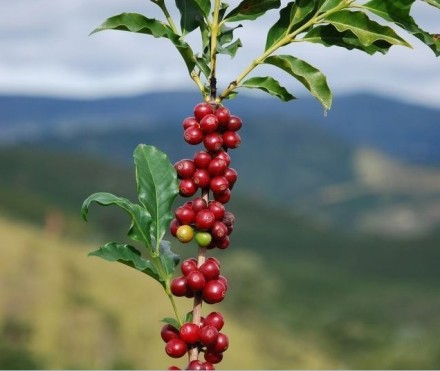
China's coffee to be exported will become a major global coffee production base.
As one of the coffee producing places, China's future development goal is to be on a par with Latin America, the global coffee production base, and to become the world's leading coffee producing country. However, this road of development is still long, and China has a long way to go to achieve this goal. The green plateau and endless tea gardens are the deepest impression of foreigners on China. China as the largest tea in the world
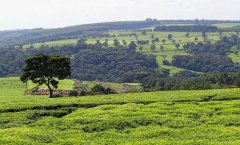
Which is better, Kenyan black tea or domestic black tea? How much is a box of Kenyan black tea brand kericho?
In February, the Kenyan High Court ruled that although it could lead to unemployment, trade unions could not stop tea farmers from picking tea mechanized. This decision confirmed a decision of the Court of Appeal, which overturned the 2010 decision of the lower court. The survey results clearly show that Unilever Kenya Co., Ltd. has the right to

Introduction to Dominica Santo Domingo Coffee Manor with excellent acidity and pleasant fragrance
In December 1492, Christopher Columbus arrived on Hispaniola on his first voyage. On his second voyage there in 1493, Santo Domingo became the capital of the island. [3] thousands of Tainos were demoted to slavery and engaged in gold mining. Due to a series of oppression, hunger and disease, by 1535, the Tino had only 60,000 left. 1501, Spain
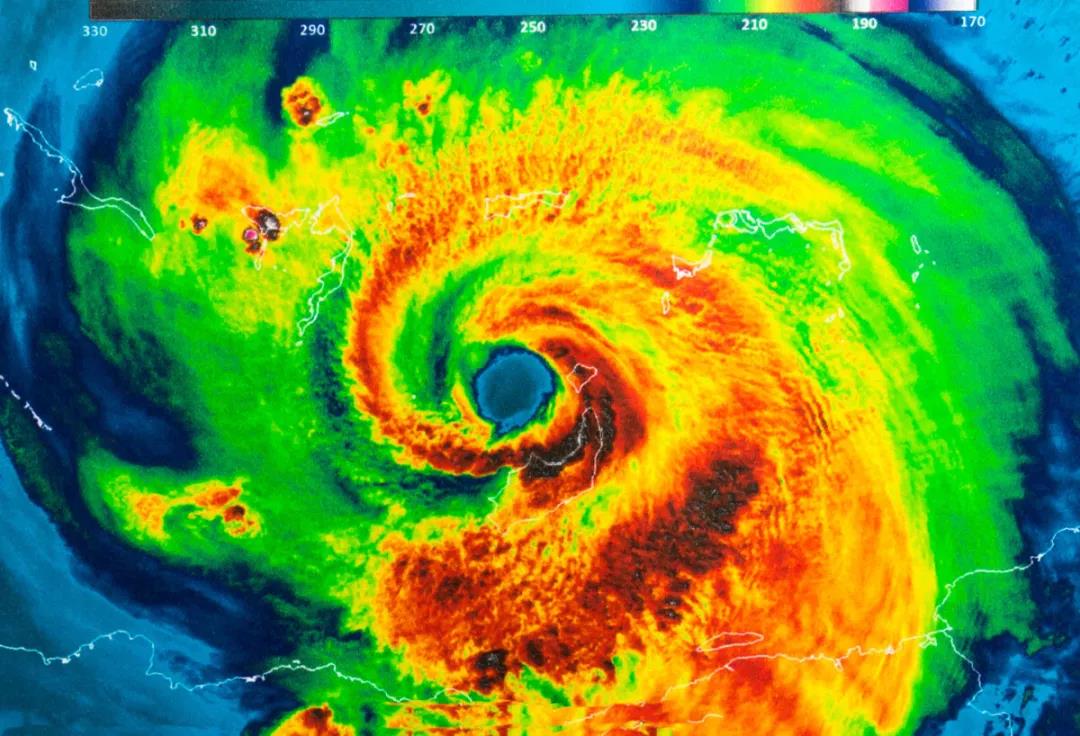
The hurricane hit the Central American producing area and reduced the production of coffee beans in many countries in Central America to varying degrees.
Professional coffee knowledge exchange more coffee bean information please follow the coffee workshop (Wechat official account cafe_style) on November 3, 2020, Category 4 Hurricane ETA (later downgraded to a tropical storm) made landfall in Central America. The hurricane caused varying degrees of losses in Nicaragua, Guatemala, Honduras, El Salvador and Panama, as well as Costa Rica, Mexico and Jamaica.

McDonald's partnered with Beyond Meat: McDonald's will sell artificial meat products in the next three years
McDonald's has made a new move, is the artificial meat market ready to catch fire? Recently, US artificial meat manufacturer Beyond Meat said it has reached a cooperation agreement with US fast food giant McDonald's to supply McDonald's with artificial meat products over the next three years. And this is not the first time McDonald's has tried artificial meat burgers. In 2019, McDonald's has been working with other meat companies.

Introduction to the taste of Yunnan Tieka coffee beans produced by grinding scale and regional treatment method
Yunnan Tieka coffee bean grinding scale production area treatment method introduces the environmental problems of coffee planting, although it can reach the hot area standard, it is far away from the equator, the problem of evaporation, and the large-scale Yunnan coffee planting area is less than 1100m above sea level. in recent years, the severe drought in Yunnan, as well as the frost period in the producing areas, all make the cultivation of coffee can not be guaranteed normally, which directly affects the quality of coffee production.

Full-grained Dominican Coffee Flavor and Taste introduction to boutique coffee beans in manor area
In 1677, about 4,000 French lived in 11 villages in the west of the island. In 1697, France and Spain ceded the western part of the island to France according to the Leswick Treaty of the Alliance War, formally recognizing French sovereignty over Haiti in the western part of the Spanish island, and the eastern part of the Spanish island was called East Santo Domingo. France continues to develop its agricultural economy on the island of Hispaniola.
Yunnan coffee growing area, Yunnan coffee introduction
Almost all coffee grown in China is in Yunnan, and nearly 60% of Yunnan coffee production comes from Pu'er. In fact, Yunnan has become one of the planting bases of Nestl é and Starbucks. Nestle alone buys 1/5 of Yunnan's total coffee output every year. 1. [output] compared with the popularity of Pu'er tea, the fame of Pu'er coffee is not commensurate with the output. Coffee production in Yunnan accounts for

Dominican Santo Domingo coffee with rich aroma and rich taste
In 1795, France and Spain signed the Treaty of Basel in Switzerland, agreeing to cede the Santo Domingo area east of the Spanish Dominican island to France, making the Spanish island a complete French colony. Six years later, Toussaint Louverture, a black Haiti, led other black slaves in a revolt against French rule, and in 1801 captured Santo Domingo, which had just been ruled by France

Introduction to the flavor and taste of Dominica Santo Domingo coffee manor
In 1586, Captain Drake of England led a fleet to attack the city of Santo Domingo, but was repulsed by Spanish troops stationed there. Between 1605 and 1606, towns on the west coast of Hispaniola were often plundered by pirates, causing most of the local population to move inland. [3] at the beginning of the 17th century, French, Dutch and British pirates were operating in the west of Hispaniola, and France began to let farmers